Drunken Noodle Near Me: Tips for Finding Fresh and Flavorful Bowls
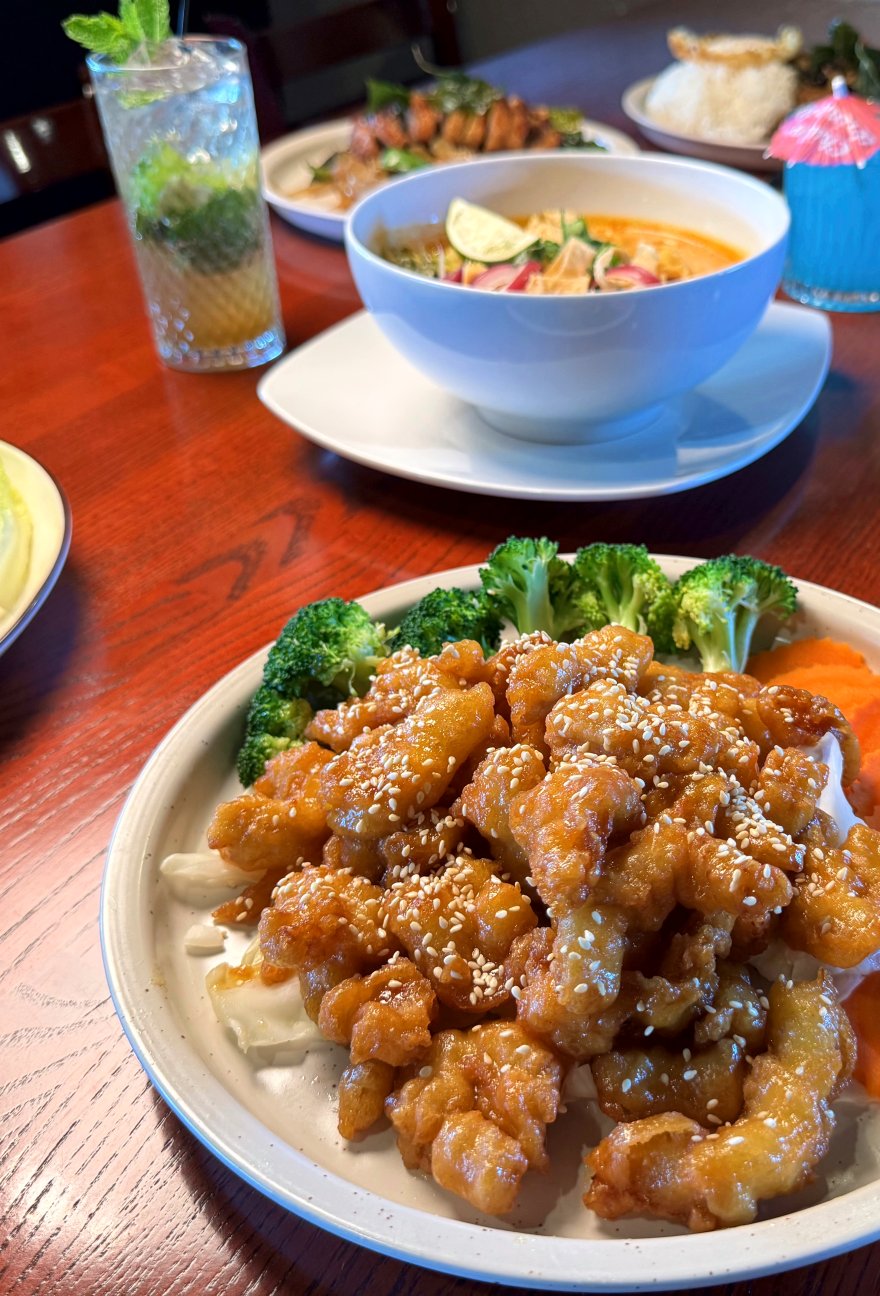
There are few takeout cravings more specific than a craving for drunken noodle. It is not just a general urge for Thai food. It is the pull of wide rice noodles, glossy sauce, fresh basil, seared vegetables, and enough heat to wake up your whole palate. When people search for Drunken Noodles Near Me, they are usually not looking for something merely convenient. They want that ideal bowl, smoky from a hot wok, balanced between sweet and salty, with noodles that still have spring instead of sagging into a soft tangle.
That distinction matters. Drunken noodle can be one of the most satisfying dishes on a Thai menu, but it can also disappoint faster than many other noodle dishes. It does not travel as gracefully as soup. It cannot hide behind broth. If the noodles are overcooked, the sauce is flat, or the basil is missing, you notice immediately. A good version tastes alive. A poor one tastes tired.
After years of ordering, tasting, and comparing versions from neighborhood Thai spots, food halls, and family-run restaurants, I have found that getting a great bowl is rarely luck. It comes down to knowing what makes the dish work and how to spot the restaurants that respect it.
What makes drunken noodle worth chasing
Drunken noodle, often associated with pad kee mao, earns its reputation from contrast. The noodles should be broad and chewy. The sauce should cling rather than pool. The chili heat should be assertive but not punishing unless you ask for it that way. Fresh Thai basil should arrive at the end so it perfumes the whole bowl. Protein, whether chicken, beef, tofu, shrimp, or a combination, should taste seared rather than steamed.
The best bowls have a little char from high nakhonluangthaicos.com Drunken Noodles Near Me heat cooking. You can smell it before you take the first bite. That subtle wok smokiness gives the dish depth and keeps the sweetness from becoming one-note. Good drunken noodle also has structure. Even if it is generously sauced, the noodles should not collapse into mush after five minutes.
A lot of diners confuse spicy with flavorful, and some restaurants lean on that confusion. They push chili to cover weak sauce or limp ingredients. A strong drunken noodle does not need to shout. It hits several notes at once: savory soy depth, mild sweetness, aromatic basil, fresh vegetable crunch, and heat that builds rather than attacks.
The signs of a restaurant that takes noodle dishes seriously
When I am deciding where to order from, especially in an unfamiliar neighborhood, I start by asking a simple question: does this place treat noodles like a specialty, or are noodles an afterthought? A restaurant that excels at curries is not automatically great at wok-fired noodle dishes. The skill set overlaps, but it is not identical.
Menus tell you more than most people think. If a Thai restaurant offers several noodle dishes with clear distinctions in ingredients, spice level, and noodle type, that is often a good sign. If every noodle dish sounds interchangeable, the kitchen may be relying on one base formula. You want a place that understands why drunken noodle is different from pad see ew or pad thai.
Photos can also help, though they are not perfect. Look for wide noodles with visible basil leaves, chopped chili or pepper flecks, and vegetables that still look crisp. If every photo shows a dark, wet pile with no definition, that usually translates to heavy sauce and soft texture.
Reviews need more interpretation. Five-star ratings alone do not tell you much. What helps is specific language. If several reviewers mention fresh basil, authentic spice, good wok flavor, or chewy noodles, pay attention. If comments focus only on large portions and fast delivery, that says less about quality. A giant container of mediocre noodles is still mediocre noodles.
Why freshness matters more here than in many other takeout dishes
Some dishes survive a long delivery ride without much loss. Fried rice often does. Thick curries usually hold up. Drunken noodle is less forgiving. Freshness affects texture, aroma, and even how the sauce tastes on the palate.
Rice noodles continue to soften in residual heat. Steam trapped in a sealed container pushes them further. Basil darkens quickly. Vegetables lose their edge. A dish that left the wok in excellent shape can arrive 25 minutes later as something noticeably less impressive. This is one reason local matters. When you type Drunken Noodles Near Me, closer is not always better, but all else being equal, a shorter trip improves your odds.
I once compared the same dish from the same restaurant, first as dine-in and later as delivery on a rainy weeknight. In the restaurant, the noodles had bounce, the basil was vivid, and the onions still snapped. Delivered, the flavor was still good, but the texture had slumped. It was not bad. It simply was not the same dish. That gap taught me to judge a restaurant partly by how well it packages and times the order, not just by the cooking itself.
How to read a menu like someone who knows the kitchen
A menu can reveal whether a restaurant is likely to produce a careful drunken noodle or a generic one. You are looking for clues, not guarantees.
First, note whether the menu identifies the noodle clearly. Wide rice noodles are standard. If the restaurant is vague or allows easy substitution into very thin noodles without explanation, the dish may be built from a one-size-fits-all prep system.
Second, look at the ingredient list. Traditional versions usually include basil, chili, onion, and a mix of vegetables such as bell pepper, baby corn, broccoli, or tomato depending on the house style. A menu that names fresh basil specifically is more reassuring than one that simply says “mixed vegetables.”
Third, examine the protein options. A place that offers drunken noodle with tofu, chicken, pork, beef, shrimp, or seafood is not automatically better, but a thoughtful range can signal a kitchen used to cooking the dish to order. On the other hand, a menu overloaded with dozens of nearly identical combinations can hint at volume over care.
Fourth, check the spice notation. Restaurants that distinguish mild, medium, hot, and Thai hot often understand that heat should be calibrated. That is useful because drunken noodle needs enough spice to stay lively, but too much can bury the basil and make the sauce taste harsh.
The best questions to ask before ordering
When you call a restaurant or order in person, a short conversation can save a disappointing meal. You do not need to interrogate the staff. One or two practical questions will do.
Here are the questions I find most useful:
- Do you use fresh basil in the drunken noodle?
- Can you make it medium spicy, not just mild or very hot?
- Are the noodles cooked to order?
- If I order takeout, can you keep the vegetables slightly crisp?
- Is there a protein that works especially well in this dish?
The answers matter, but so does the ease of the response. Staff who know the dish usually answer without hesitation. If someone sounds uncertain about basil or spice levels, that is revealing. It does not always mean the food will be poor, but it lowers my confidence.
One of the most telling responses I ever got came from a small Thai place whose cashier said, “If you want the best version, pick it up instead of delivery, and order medium plus.” That was a kitchen that understood its food. The bowl was excellent.
Fresh basil is not optional, and neither is wok heat
Many ingredients in Thai cooking have reasonable substitutes when supply runs tight. Drunken noodle is less flexible. Fresh basil is central to the dish’s identity. Without it, you may still get spicy stir-fried noodles, but you lose the aromatic lift that makes the bowl recognizable and memorable.
Wok heat matters just as much. This is the part most home cooks struggle to reproduce, and it is why restaurant drunken noodle can taste so different from what comes out of a standard skillet. High heat sears the noodles and vegetables quickly, developing a touch of char while preserving texture. Low heat stews everything together, producing a softer, flatter result.
When a restaurant gets both elements right, the dish tastes composed rather than crowded. You can pick up a bite and notice each part doing its job. The noodles carry the sauce. The basil brightens. The chili lingers. The vegetables contribute sweetness and crunch instead of filling space.
Protein choices and how they change the bowl
Not every protein performs equally in drunken noodle, and this is one of those small decisions that shapes the final dish more than people expect.
Chicken is the safest default. It absorbs sauce well and stays relatively neutral, which lets basil and chili lead. Beef can be excellent, especially if the slices are thin and the wok station gives them a quick sear. When done right, beef adds richness and a slightly smoky edge. When done poorly, it turns chewy and overpowers the noodles.
Shrimp offers sweetness and pairs nicely with basil, but it is easy to overcook, especially in takeout. Tofu can be fantastic if the kitchen presses and sears it first. Otherwise, it risks blending into the noodles without contrast. Pork is less common in some places but can be satisfying when used sparingly.
If I do not know the restaurant, I usually start with chicken or tofu. Those choices tell me a lot about the kitchen. If the chicken is dry or the tofu is bland and soft, the problem often extends beyond protein handling.
How spice level affects flavor, not just heat
Many diners treat spice as a dare. That is a mistake with drunken noodle. The right spice level is not the hottest one you can tolerate. It is the level at which the sauce still tastes layered and the basil remains noticeable.
For most restaurants, medium or medium-hot is the sweet spot unless you already know their scale. Mild can leave the dish tasting sweet and heavy. Extremely hot can flatten nuance and turn every bite into pure chili impact. Thai restaurants also vary wildly in what “hot” means. One kitchen’s medium can equal another kitchen’s very hot.
If the menu allows notes, I often write something like “medium spicy with strong basil flavor.” That gives the kitchen a better target than simply selecting a number or chili icon. Good restaurants appreciate specificity.
Delivery versus pickup, and why timing changes everything
If your goal is the best possible bowl, pickup wins more often than delivery. It shortens the time between wok and fork. It also gives you more control over when you eat. Drunken noodle does not improve while sitting in a lobby, on a car seat, or in an insulated bag for half an hour.
That does not mean delivery is always a bad idea. A restaurant that packs smartly can still send out a strong dish. The best operators use containers that vent a little, reducing trapped steam. Some pack sauce with enough cling to coat without flooding the bottom. A few even separate fresh herbs or garnish. Those details show experience.
When ordering delivery, I avoid peak crush periods if I can. Friday night at 7:15 may be convenient, but it is often when timing slips and quality dips. A 6:00 pickup or a later evening order can produce a better result from the same kitchen.
What to look for when the food arrives
The first minute after opening the container tells you a lot. You should smell basil and savory sauce right away. The noodles should look glossy, not drowned. Vegetables should still show color. If everything is uniformly dark brown and compressed into a wet mass, the bowl is already fighting an uphill battle.
Texture is next. Wide rice noodles should be tender with a little chew. They should separate with gentle effort, not tear apart into paste or clump into one solid block. Good drunken noodle often has a few edges with char or deeper caramelized spots from the wok. Those bits add character.
Taste should unfold in stages. First comes savory depth, then sweetness, then basil, then chili. If you taste only sugar, or only salt, or only heat, the balance is off. Skilled kitchens know that a memorable noodle dish is built on proportion, not abundance.
Common disappointments and what they usually mean
A bad bowl often fails in predictable ways. Once you recognize them, you get better at choosing where to order from next time.
If the noodles are mushy, the problem is usually overcooking, over-saucing, or too much time in transit. If the dish tastes flat and brown, the kitchen may be using a generic stir-fry base without enough basil, garlic, or fresh chili. If the vegetables are limp and watery, they were likely held too long or cooked at insufficient heat. If the heat feels sharp but empty, the restaurant may be adding chili for impact instead of integrating it into the sauce.
There is also the issue of sweetness. Some Americanized Thai restaurants push sweetness to make dishes broadly accessible. That works better in pad thai than in drunken noodle. Too much sugar turns the bowl sticky and masks the fresh herbal character that defines it.
When the nearest restaurant is not the best choice
Searches for Drunken Noodles Near Me naturally prioritize distance, but the nearest option is not always the right one. If one restaurant is ten minutes away and known for fast turnover, wok cooking, and balanced spice, while another is five minutes away but inconsistent, the farther bowl often arrives in better shape and tastes better.
Turnover matters because noodle dishes benefit from active prep. High-volume restaurants that specialize in Thai comfort food usually replenish basil, vegetables, and noodles more often. That freshness shows up on the plate. Smaller menus can also be a good sign. A focused Thai kitchen with a handful of strong noodle and curry dishes often outperforms a giant pan-Asian menu trying to cover Thai, sushi, pho, and teriyaki at once.
I learned this the hard way while traveling. The hotel-adjacent place was convenient and heavily reviewed, but its drunken noodle arrived syrupy and overcooked. A small Thai restaurant fifteen minutes farther away produced a bowl with visible basil, crisp onion, and proper heat. Same city, same evening, completely different experience.
A quick method for finding a strong local option
If you want a practical screening process, keep it simple:
- Search for local Thai restaurants and ignore ratings for a moment.
- Read the menu description of the Drunken Noodle first.
- Scan recent reviews for mentions of basil, wok flavor, and texture.
- Prefer pickup if the restaurant is more than a short drive away.
- Order a moderate spice level the first time so you can judge balance.
This approach is not fancy, but it works. It helps you avoid choosing based only on ads, discounts, or the first sponsored listing.
Why authenticity is useful, but not the only standard
People use “authentic” loosely, especially with Thai food. It can be a helpful guide, but it should not be the sole measure. Regional styles vary. Ingredient availability varies. Some restaurants adapt the dish thoughtfully for local diners without losing its soul. Others simplify it until it becomes generic.
What matters most is whether the bowl still expresses the essentials: wide rice noodles, lively sauce, fresh basil, controlled heat, and quick, high-heat cooking. A restaurant does not need to mimic one exact version to make an excellent drunken noodle. It does need to understand why the dish works.
I have had superb bowls that used extra bell pepper and slightly sweeter sauce than I expected, but they still felt true because the noodles had chew, the basil was generous, and the spice level was calibrated with care. I have also had “traditional” versions that were technically closer to the textbook but poorly executed. Technique wins.
Building a go-to order once you find the right place
Once you discover a restaurant that makes a strong drunken noodle, treat that first good order as a baseline. Notice the spice level, protein, pickup timing, and how well it held up on the trip home. Then refine. Maybe the chicken was good, but beef would benefit more from that wok char. Maybe medium was safe, but medium-hot would wake up the sauce. Maybe lunch pickup gives you a fresher bowl than dinner delivery.
This is how regulars end up with very specific orders, and for good reason. They have learned the restaurant’s rhythm. One of my favorite neighborhood places makes its best drunken noodle with tofu, medium-hot, extra basil, and pickup only. Another does a stronger beef version, but only if I ask for less sauce. Those details are not fussy. They are the difference between a decent meal and the bowl you think about the next day.
The search for Drunken Noodles Near Me sounds casual, but the best results come from paying attention. Great drunken noodle is vivid, fast-cooked, aromatic, and balanced. It should taste like it came from a hot wok moments ago, even if you are opening the container at your own kitchen table. Once you know the signs, you stop gambling on random takeout and start finding bowls that actually satisfy the craving.
Nakhon Luang Thai Kitchen
Address: 805 Village Center Dr, Colorado Springs, CO 80919
Phone number: +17195315175
FAQ About Drunken Noodles Near Me
What makes it drunken noodles?
Drunken noodles, or Pad Kee Mao, get their name from the Thai word khi mao (meaning "drunkard"). They contain no alcohol. The name comes from the idea that the dish is a popular late-night meal to cure a hangover or a great food to eat with a cold beer.
What is the difference between pad see ew and drunken noodles?
While both Pad See Ew and Drunken Noodles use the same wide rice noodles, Pad See Ew is a mild, sweet-savory dish made with dark soy sauce and Chinese broccoli, whereas Drunken Noodles (Pad Kee Mao) are fiery, garlicky, and herbaceous with fresh chilies and Thai basil.
What are traditional drunken noodles?
Traditional drunken noodles, known as Pad Kee Mao in Thai, are a fiery, savory street food stir-fry made with wide flat rice noodles, fresh garlic, lots of hot chilies, meat or tofu, and fragrant holy basil. Despite the name, they contain no alcohol; the dish is traditionally eaten late at night or as a hangover cure because the intense spice helps clear the head.